Google Ad Manager Tools: What They Add on Top of Google Ads
The native interface covers the basics. Tools on top of Google Ads add bulk building, budget pacing, search term cleanup and cross-network reporting. This guide shows what to compare and how to roll a tool out without losing control of the account.
See Google Ads automation toolsWhat's Inside
Overview
Google Ad Manager Tools in One Workspace
Most teams end up with a spreadsheet for bulk edits, a script for pacing, a dashboard for reporting and a chat window for questions. Tools that combine those jobs in one workspace remove the copy-paste between them. AdBid is one example: it launches Google and Meta campaigns from a single builder, watches spend around the clock and lets an AI assistant answer questions about the account.

Five Categories of Tools on Top of Google Ads
Five families of tools that teams add on top of the native interface. Most products cover two or three of them; a few cover all five.
Campaign Builders

Bid and Budget Automation

Search Term Cleanup
Cross-Network Reporting

AI Assistants
Capabilities That Separate the Good Tools
Feature lists look alike. These five capabilities are where products differ in practice, and where a short pilot exposes the gap. The bar shows how often each one decides the choice in our field notes.
Read the Google Ads automation guideBulk Campaign Creation
Build dozens of campaigns from one brief or sheet, with naming rules and structure applied consistently instead of by hand.
Budget Pacing and Caps
Track daily and monthly spend against targets, slow down campaigns that overspend and alert the owner before a cap is hit.
Anomaly Detection
Flag sudden drops in conversion rate, spikes in cost per click or disapproved ads within minutes instead of at the weekly review.
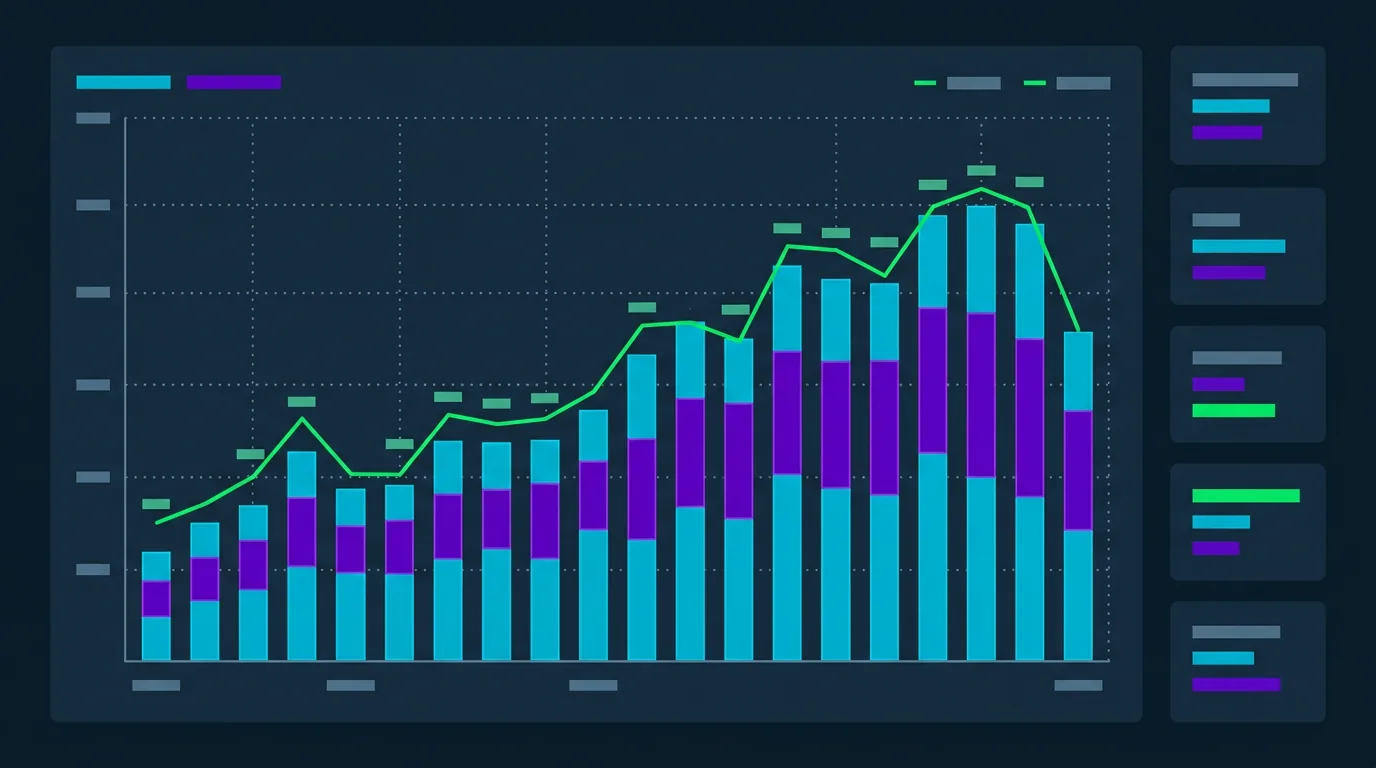
Cross-Network Reporting
Show Google Ads and Meta results side by side with one definition of a conversion, so budget decisions use the same numbers.
Approval Workflow
Every automated change is proposed first, logged and reversible. A person approves before the account changes.

Why Teams Add Google Ad Manager Tools
Google Ads Editor and the web interface are built for one account and one person at a time. Once a team manages several accounts, launches campaigns weekly and reports to clients or a finance team, the manual steps multiply: exporting sheets, comparing screenshots, pasting numbers into decks.
These tools exist to take those steps out of the loop. The good ones do not replace judgment. They make the routine parts fast, keep a log of what changed and leave the decision with the person who owns the budget.
Rollout Stages for a New Tool
A four-stage path that keeps the account safe while the tool earns trust.
Map the Manual Work
List every recurring task: launches, bid changes, negative keywords, reports. Note who does it, how long it takes and what breaks when it is skipped.
Link the Account Read-Only
Grant the tool read access first. Check that spend, conversions and campaign structure match the native interface before any write scope is enabled.
Run One Workflow With Approvals
Pick a single task, for example weekly search term cleanup, and let the tool propose changes for two to four weeks. Approve each one and compare results to the manual baseline.
Expand Scope With Guardrails
Move proven workflows to automatic mode with spend caps, change limits and alerts. Keep the audit log and review it monthly.
Access Levels for the Tool
Instead of pricing tiers, think in terms of how much a tool may change on its own.
Observe
Read-only access. The tool reads spend, conversions and structure and shows dashboards and alerts.
- Reporting and dashboards
- Anomaly alerts
- No changes to the account
- Safe for the first weeks
- Works for every client
Recommend
The tool proposes changes such as bids, budgets or negative keywords. Nothing happens until someone accepts.
- Suggested changes with reasons
- One-click accept or reject
- Full change log
Approve
Approved workflows run automatically within limits. Anything outside the limits waits for a person.
- Spend caps and change limits
- Alerts on exceptions
- Rollback in one step
Automate
Proven workflows run on their own. Reserved for tasks with clear rules and a monthly review of the log.
- Scheduled launches and pauses
- Budget shifts between campaigns
- Monthly audit of every change
Frequently Asked Questions
What are Google ad manager tools?
Add-on software.
Do I still need Google Ads Editor?
Usually, yes.
Is it safe to give a tool write access?
With guardrails.
How do I compare two of these tools?
Run the same pilot.
Can one tool manage Google Ads and Meta together?
Some can.
Where does AdBid fit among Google ad manager tools?
One workspace.